The right wetsuit can make open-water training and race day more comfortable by adding warmth, buoyancy, and protection from the elements. These 10 neoprene triathlon wetsuits include full-sleeve and sleeveless designs in several thicknesses and price ranges.
Use the guide below to compare construction, intended use, fit, and water-temperature considerations before choosing a suit for triathlon swimming, training, or related water sports.
Best 10 Neoprene Triathlon Wetsuits Picks for 2026
Best Overall Value
XTERRA Volt Full-Body Triathlon Wetsuit

- 3mm neoprene with four-way stretch
- Drag-reducing X-SLICE coating
- 30-day trial and one-year warranty
Best For: Triathletes wanting full coverage and value
Best Entry-Level Crossover
O'Neill Reactor-2 Full Wetsuit

- Flexible 3mm Ultra Stretch neoprene
- Easy-entry backzip system
- Suitable for multiple water sports
Best For: Beginners needing versatile recreational coverage
Best for Shoulder Mobility
XTERRA Volt Sleeveless Triathlon Wetsuit
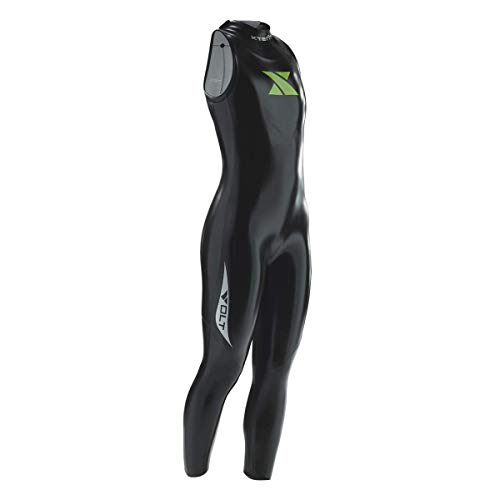
- Sleeveless cut for unrestricted movement
- 3/2mm neoprene for buoyancy and flexibility
- Sealed seams and one-year warranty
Best For: Swimmers preferring maximum shoulder freedom
Best Size Selection

- 16 sizes with regular, short, and tall fits
- Front zipper for easier entry
- Full-body 3/2mm neoprene coverage
Best For: Users needing flexible sizing for varied water sports
Maximum Buoyancy Pick
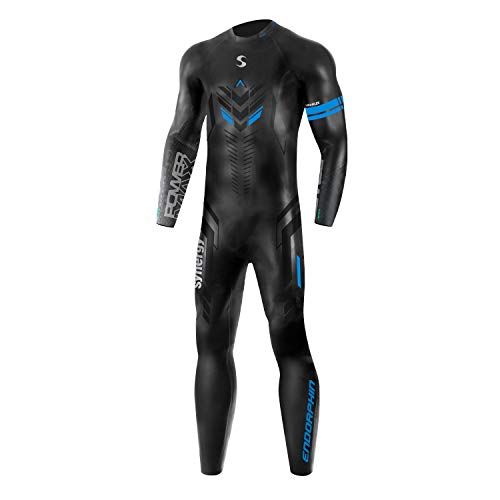
- 5mm core panel emphasizes flotation
- Flexible Yamamoto #39 neoprene construction
- Low-profile neck and YKK zipper
Best For: Triathletes seeking maximum buoyancy for open-water swimming
Versatile Recreational Choice
Dark Lightning 3/2mm Full Suit
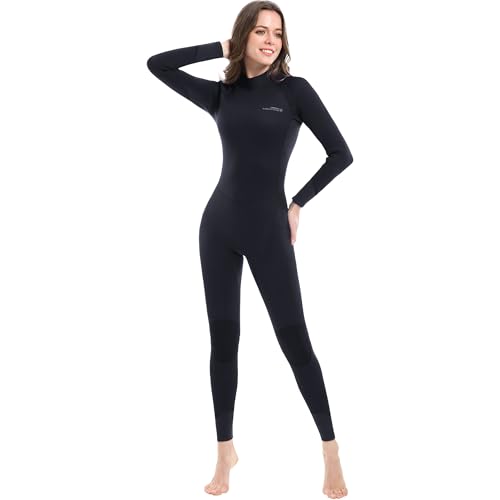
- Stretch neoprene for flexible movement
- Designed for 58–68°F water
- Back zipper simplifies entry and removal
Best For: Recreational swimming and water sports in mild to cool water
Balanced Triathlon Option

- 5mm core with thinner 2mm sections
- Hydrodynamic silicone-coated SyPrene
- Soft low neck and internal YKK zipper
Best For: Open-water swimmers balancing buoyancy and flexibility
Versatile Cold-Water Suit

- 3mm neoprene with a 3mm chest panel
- 2mm sleeves and flatlock seams for mobility
- Back zipper, knee pads, and UV 50+ protection
Best For: Recreational swimming and multi-sport water use
Buoyancy-Focused Sleeveless Suit
Synergy Volution 5/2mm Sleeveless

- 5mm core panel for added buoyancy
- 2mm legs and back for flexibility
- Soft low neck and anti-corrosion YKK zipper
Best For: Open-water swimmers wanting core lift and arm freedom
Full-Sleeve Race Comfort
Synergy Volution 3/2mm Full Sleeve

- 3/2mm SmoothSkin core for warmth and lift
- PowerMAX arm panels support free movement
- Soft low-neck collar and internal YKK zipper
Best For: Open-water athletes wanting full sleeves with flexible arm panels
Best Overall Value – XTERRA Volt Full-Body Triathlon Wetsuit
For swimmers seeking neoprene triathlon wetsuits with full-body coverage, the XTERRA Volt combines 3mm neoprene, a four-way-stretch X-FLEX liner, and an X-SLICE coating designed to reduce drag. Its snug fit, 9 available sizes, 30-day trial period, and one-year warranty add practical value for open-water training and racing.
Best For: Triathletes who want a full-body suit with buoyancy, stretch, and value-focused features.
Pros:
- Four-way-stretch liner helps support a comfortable, lasting fit.
- X-SLICE coating is designed to reduce drag.
- Includes a 30-day try-on period and one-year warranty.
Cons:
- The snug sizing requires careful attention to the size chart.
- The 3mm construction may not suit swimmers seeking a thinner, more flexible suit.
The Volt is a well-rounded option when you want full coverage and triathlon-oriented features without moving beyond a value-focused design. Confirm the fit before swimming, since the suit should feel snug but not excessively tight.
Best Entry-Level Crossover – O'Neill Reactor-2 Full Wetsuit
The O’Neill Reactor-2 is a versatile 3mm full-body wetsuit for shoppers comparing neoprene triathlon wetsuits with general water-sports gear. Its lightweight warmth, flexible Ultra Stretch neoprene, back zipper, and wind-resistant Smoothskin make it suitable for several recreational activities, though it is not presented as a dedicated triathlon suit.
Best For: Beginners who want one flexible wetsuit for surfing, kayaking, paddleboarding, swimming, and other water activities.
Pros:
- Ultra Stretch neoprene is designed for flexibility and comfort.
- Backzip closure makes entry and exit easier.
- Wind-resistant Smoothskin adds insulation and cold protection.
- Seamless paddle zones support mobility.
Cons:
- Its general water-sports design may lack specialized triathlon features.
- The supplied sizing information identifies this listing as Large, so fit should be verified carefully.
If you prioritize versatility and easy changing over dedicated race construction, the Reactor-2 is a practical crossover pick. Triathletes should consider whether its recreational design matches their specific racing needs.
Best for Shoulder Mobility – XTERRA Volt Sleeveless Triathlon Wetsuit
Among neoprene triathlon wetsuits, the XTERRA Volt sleeveless model emphasizes freedom of movement while retaining buoyancy. Its 3/2mm neoprene construction, 2mm back panel, X-FLEX liner, sealed seams, and shoulder cuffs are designed for comfortable open-water training and racing.
Best For: Triathletes who prefer sleeveless coverage and unrestricted shoulder movement during the swim.
Pros:
- Sleeveless design supports shoulder mobility.
- 3/2mm construction balances buoyancy and flexibility.
- X-MAX seam sealing helps create waterproof seams.
- Offers a 30-day trial period and one-year warranty.
Cons:
- Sleeveless coverage provides less arm coverage than a full-sleeve suit.
- The snug fit makes accurate sizing especially important.
This Volt is a strong choice for swimmers who value arm freedom and a streamlined feel. Its thinner back panel and sleeveless cut favor mobility, while the 3mm body retains the buoyancy expected from a triathlon wetsuit.
Best Size Selection – Hevto 3/2mm Front-Zip Wetsuit
The Hevto 3/2mm full wetsuit is a flexible alternative for shoppers considering neoprene triathlon wetsuits alongside broader open-water gear. It provides long-sleeve coverage, a front zipper, and 16 size options with regular, short, and tall fits for swimming, snorkeling, kayaking, paddleboarding, and related activities.
Best For: Water-sports users who need broad sizing options and full-body warmth for recreational open-water activities.
Pros:
- 16 size options include regular, short, and tall fits.
- Front zipper is designed to simplify entry and exit.
- 3/2mm neoprene supports warmth, flexibility, and buoyancy.
- One-year manufacturer warranty is included.
Cons:
- It is marketed for varied water sports rather than specifically for triathlon racing.
- The front-zip design may not appeal to swimmers seeking a dedicated race-oriented suit.
The Hevto stands out primarily for fit flexibility and broad recreational use. It makes sense for athletes who also snorkel, kayak, or paddleboard, but dedicated racers may prefer the triathlon-specific construction of the XTERRA options.
Maximum Buoyancy Pick – Synergy Endorphin Full Sleeve
The Synergy Endorphin is a strong option for swimmers comparing neoprene triathlon wetsuits for open-water training and racing. Its 5mm core panel emphasizes buoyancy, while thinner neoprene in the limbs is designed to preserve movement.
Best For: Triathletes who prioritize maximum flotation, open-water performance, and a soft, low-profile neck.
Pros:
- 5mm core buoyancy panel provides the maximum buoyancy listed in the notes.
- Yamamoto #39 hydrodynamic neoprene with SCS-coated SyPrene.
- 680% flexibility and a low-drag YKK internal zipper support mobility.
- Available in a wide range of sizes and backed by a product warranty.
Cons:
- The supplied details list conflicting thickness information: a 5mm core with 3mm lower legs and back, but also an item thickness of 3/2mm.
- Product registration is required for the stated warranty, and coverage details vary between the notes.
This is the most buoyancy-focused choice in the group. Verify the sizing chart and current warranty terms before ordering, especially because the supplied specifications contain thickness and warranty discrepancies.
Versatile Recreational Choice – Dark Lightning 3/2mm Full Suit
The Dark Lightning full suit is a practical alternative to specialized neoprene triathlon wetsuits for recreational swimming and other water sports. Its 3/2mm stretch neoprene is intended for mild to cool water, with a traditional back zipper for easier entry.
Best For: Casual swimmers, snorkelers, surfers, and paddleboarders using the suit in roughly 58–68°F water.
Pros:
- High-elasticity neoprene supports movement during swimming and water sports.
- Designed for warmth in 58–68°F conditions without excessive insulation.
- Extended-leash back zipper makes entry and removal straightforward.
- Clean black styling with minimal branding.
Cons:
- This is positioned for recreational use rather than triathlon-specific performance.
- It has a conventional back zipper, which may be less streamlined than a triathlon-oriented zipper design.
- The supplied details contain differing thickness references, listing 3/2mm in the title and 2mm in the item details.
Choose this suit when versatility and easy entry matter more than race-specific buoyancy or hydrodynamics. Check the updated size chart carefully, since the notes specifically recommend using it for fit selection.
Balanced Triathlon Option – Synergy Volution 5/2mm
The Synergy Volution is built for swimmers comparing neoprene triathlon wetsuits with a balance of flotation and flexibility. Its 5/2mm layout puts thicker neoprene through the core and thinner material in the lower legs and back for a more flexible feel than a uniformly thick suit.
Best For: Triathletes and open-water swimmers wanting substantial core buoyancy with reduced thickness in selected areas.
Pros:
- 5mm core panel is paired with 2mm lower legs and back for buoyancy and flexibility.
- Hydrodynamic neoprene uses silicone-coated SyPrene.
- YKK internal zipper is designed to reduce drag.
- Soft, smoothskin low neck helps limit irritation around the neck.
Cons:
- The supplied size information lists Large, so fit availability may be more limited than some alternatives.
- The notes specify a 1-year warranty and require product registration for the original owner.
- Unlike the Endorphin notes, this listing does not state a flexibility percentage.
The Volution offers a sensible middle ground for swimmers who want the flotation benefits of a 5mm core without using that thickness throughout the suit. Confirm available sizing and register the suit promptly if warranty coverage is important.
Versatile Cold-Water Suit – Men's 3mm Full Wetsuit
For shoppers comparing neoprene triathlon wetsuits, this full-body option is a versatile choice for swimming and other water activities. Its 3mm neoprene construction is designed for water temperatures of 55°F and above, with a 3mm chest panel, 2mm sleeves, and flatlock seams for a balance of warmth, flexibility, and comfort.
Best For: Recreational swimmers, snorkelers, divers, surfers, and kayakers who want one full wetsuit for varied water activities.
Pros:
- 3mm neoprene helps retain body heat in water temperatures of 55°F and above.
- 2mm sleeves and flatlock seams support flexibility and help reduce chafing.
- Back zipper, adjustable Velcro closure, anti-abrasion knee pads, and UV 50+ protection add practical utility.
Cons:
- The back-zip design may be less streamlined than a specialized triathlon suit.
- Its listed 3mm thickness and 55°F-and-warmer rating may not suit colder water.
This is a practical, travel-friendly full suit for buyers prioritizing versatility and basic cold-water protection over race-specific features.
Buoyancy-Focused Sleeveless Suit – Synergy Volution 5/2mm Sleeveless
Among neoprene triathlon wetsuits, the Synergy Volution 5/2mm emphasizes buoyancy and unrestricted arm movement for open-water swimming. A 5mm core panel provides lift through the torso, while the 2mm legs and back and sleeveless design support flexibility during the stroke.
Best For: Open-water swimmers and triathletes who want added core buoyancy with maximum shoulder and arm freedom.
Pros:
- 5mm core buoyancy panel is designed to help swimmers float higher and conserve energy.
- 2mm legs and back and sleeveless construction support a broad range of motion.
- Hydrodynamic neoprene, silicone-coated SyPrene, a soft low neck, and an anti-corrosion YKK zipper support comfort and reduced drag.
Cons:
- Sleeveless coverage provides less arm and shoulder warmth than a full-sleeve suit.
- The thicker 5mm core may feel less suitable for swimmers seeking a lighter, thinner suit.
This model is a strong fit when buoyancy and upper-body freedom matter more than full-body coverage, with a stated warranty and a wide range of sizes adding buying confidence.
Full-Sleeve Race Comfort – Synergy Volution 3/2mm Full Sleeve
Synergy Men's Volution 3/2mm Triathlon Wetsuit - Full Sleeve Open Water (Black, L1)
Check Price On AmazonThe Synergy Volution 3/2mm is one of the more race-oriented neoprene triathlon wetsuits in this roundup, combining full-sleeve coverage with flexible arm panels. Its 3/2mm SmoothSkin construction is intended to provide warmth and buoyancy through the chest and back while keeping the stroke unrestricted.
Best For: Open-water swimmers and triathletes who want full sleeves, a comfortable low-neck design, and flexible arm movement.
Pros:
- 3/2mm SmoothSkin neoprene core panel provides lift and warmth through the torso.
- High-stretch PowerMAX arm panels are designed to support an unrestricted catch and pull.
- Soft SmoothSkin collar, stitched-and-bonded seams, and an internal anti-corrosion YKK zipper support comfort, durability, and reduced drag.
Cons:
- The full-sleeve design may feel warmer or more restrictive than a sleeveless suit for some swimmers.
- Its 3/2mm construction offers less core thickness than the 5/2mm sleeveless Volution model.
Choose this suit if shoulder mobility and neckline comfort are priorities but you still want the coverage and torso buoyancy of a full-sleeve open-water design.
How We Picked These Neoprene Triathlon Wetsuits
We selected this group to cover the main choices open-water swimmers face: full-body versus sleeveless coverage, 3/2mm versus thicker construction, front versus back entry, and dedicated triathlon designs versus versatile recreational wetsuits. We also considered flexibility, warmth, buoyancy, zipper placement, sizing availability, and whether each suit is best suited to racing, training, or general water activities.
Because fit has a major effect on comfort and performance, treat the listed size chart as essential rather than relying only on your usual clothing size. A wetsuit should feel snug without restricting breathing or creating excessive pressure at the neck, shoulders, or chest.
Quick Comparison
| Need | Best starting point | Why |
|---|---|---|
| Maximum warmth and coverage | Full-sleeve 5/2mm suit | More insulation for colder water |
| Balanced triathlon performance | Full-sleeve 3/2mm suit | Combines coverage, mobility, and moderate warmth |
| Greater shoulder freedom | Sleeveless suit | Allows a more open arm stroke and easier layering |
| General water-sport use | Recreational full wetsuit | Versatile for surfing, kayaking, snorkeling, and swimming |
| Simple dressing | Front-zip design | Generally easier to put on without assistance |
Key Buying Factors for Neoprene Triathlon Wetsuits
Thickness and Water Temperature
Thickness is one of the clearest indicators of warmth. A 3/2mm suit typically uses thicker neoprene through the torso and thinner material in the arms and legs, balancing insulation with flexibility. A 5/2mm suit generally provides more warmth and buoyancy but can feel less flexible. Always check race regulations and the manufacturer’s temperature guidance before swimming.
Fit, Mobility, and Buoyancy
Triathlon-specific suits are shaped for a swimming posture and should allow unrestricted shoulder rotation. Look for flexible panels around the arms and shoulders, a close seal at the neck, and enough room to breathe comfortably. Added buoyancy can help position the legs higher in the water, but a highly buoyant suit may require an adjustment period.
Full-Sleeve Versus Sleeveless Coverage
Full sleeves usually offer better warmth, coverage, and hydrodynamic smoothness. Sleeveless models can feel cooler and less restrictive around the shoulders, making them appealing for warmer water or swimmers who dislike tight arm coverage. They may provide less insulation and leave more skin exposed.
Entry System and Construction
Back zippers are common and can provide a secure seal, while front zippers may be easier to operate independently. Check zipper length, pull-tab design, seam construction, and reinforced areas. Use care when dressing: pull neoprene gradually with your fingertips instead of grabbing it with fingernails.
Who Should Buy Which Neoprene Triathlon Wetsuits?
Cold-water swimmers: Start with a full-sleeve 5/2mm option, provided its fit and local race rules are appropriate.
Most triathlon trainees: A full-sleeve 3/2mm triathlon wetsuit offers a practical balance of warmth, flexibility, and buoyancy for varied training conditions.
Warm-water swimmers or shoulder-sensitive athletes: Consider a sleeveless design for improved arm freedom and less insulation.
Occasional swimmers and multi-sport users: A versatile recreational 3/2mm suit may be the better value if you also surf, kayak, dive, or snorkel.