Choosing the right camera for a baseball game is less about flashy specs and more about reliable framing, clean zoom, and simple setup. The best options make it easier to capture the full field, follow the action, and keep the recording stable from the fence, dugout, or sideline.
This roundup focuses on video cameras for baseball games that balance image quality, ease of use, and practical game-day features, whether you want live streaming, AI tracking, or a straightforward camcorder for dependable recordings.
Best 10 Video Cameras for Baseball Games Picks for 2026
Live-Streaming Pick
Mevo Start Wireless 1080p Camera
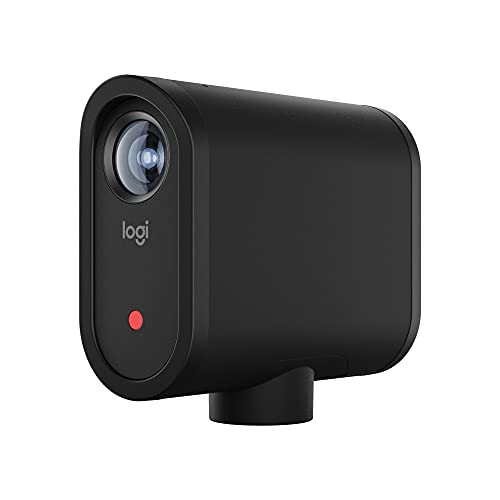
- 1080p HD recording and live streaming
- Wi‑Fi, Ethernet, or LTE connectivity
- App control with multi-cam support
Best For: Streaming and simple multi-angle baseball coverage
Budget Camcorder
ORDRO V12 Night Vision Camcorder

- 1080p recording with 16x digital zoom
- Includes 16GB card and 2 batteries
- Infrared night vision for dark settings
Best For: Beginners needing an affordable basic game recorder
Fence Mount Accessory
Matare Game Recording Fence Mount Kit

- Works with phones, Mevo Start, and GoPro
- Adjustable to keep fence out of frame
- Includes shade and power-bank bag
Best For: Fence-mounted baseball, softball, or tennis recording
AI Auto-Tracking Game Recorder
XbotGo Falcon 4K AI Sports Camera

- AI auto-tracking follows players and the ball
- Records in 4K with a dual-lens system
- Built-in Wi-Fi supports live streaming
Best For: Hands-off baseball game recording with automatic tracking
Fence-Mount Streaming Accessory
Stouchi Baseball Fence Mount Bag

- Adjustable shade helps cut glare and heat
- Keeps the field in view without fence lines
- Works with phones, GoPro, and Mevo Start
Best For: Fence-side baseball streaming with less glare and fuss
Beginner-Friendly All-in-One Pick
2.7K Camcorder for Casual Sports Clips

- 2.7K video and 48MP photos
- 18X digital zoom with flip screen
- Includes 32GB card and fill light
Best For: Beginners and families filming casual baseball games
Best Heavy-Duty Pick
Baseball Camera Glasses for First-Person Clips

- 1080p HD first-person recording
- 120° wide-angle view
- 2-hour battery and built-in audio
Best For: Players or active users who want hands-free POV baseball footage
Streaming-Ready Game Camera
4K Wireless Cam for Baseball Coverage

- 4K video with live-stream support
- NDI HX3, HDMI, USB, and Wi‑Fi
- Built for GameChanger and SidelineHD
Best For: Teams and coaches needing live baseball streaming and recording
Live-Streaming Pick – Mevo Start Wireless 1080p Camera
If you want video cameras for baseball games that are easy to place and easy to control, the Mevo Start is built around live capture and multi-angle setups. It records in 1080p HD, can stream over Wi-Fi, Ethernet, or even LTE through your phone, and lets you manage settings from a smartphone app.
Best For: Coaches, parents, or creators who want a compact wireless camera for live streaming and simple multi-cam coverage.
Pros:
- Records and streams in 1080p HD with crisp detail.
- Wireless app control with Auto-Director for easier operation.
- Supports up to three cameras for multi-angle setups.
- Built-in microphone plus support for external audio sources.
Cons:
- Only 6 hours of battery life, so longer events may need planning.
- Not water resistant.
- Best suited to streaming-focused setups rather than traditional handheld filming.
Overall, this is a strong choice if you want a compact game camera that prioritizes streaming workflow and remote control over old-school camcorder features.
Budget Camcorder – ORDRO V12 Night Vision Camcorder
For video cameras for baseball games on a budget, the ORDRO V12 gives you a basic 1080p camcorder setup with a flip-style LCD, 16x digital zoom, and included storage and batteries. It is easy to get started with, and the tripod mount plus remote control can make static game recording more convenient.
Best For: Beginners who want an affordable camcorder for straightforward game recording and occasional low-light use.
Pros:
- Records in 1080p FHD with a 3-inch rotating screen.
- Includes a 16GB memory card and two batteries.
- Has infrared night vision for dark environments.
- Tripod mount and remote control support hands-off filming.
Cons:
- Fixed zoom lens requires subjects to be 8 feet or more away.
- Battery life is limited to about 80 minutes per charge.
- It is a compact camcorder, so image and sound quality may be better when reviewed on a computer.
This is a practical starter option if you mainly need a simple, lightweight camera for basic baseball recording and do not need advanced streaming features.
Hands-Free POV Pick – 4K Baseball Sunglasses Camera
If you want video cameras for baseball games that capture the action from your point of view, this sunglasses-style camera is designed for hands-free recording. It shoots in 4K, records video without needing to launch the app, and uses a lightweight eyeglass form factor that is meant to stay comfortable during sports.
Best For: Players or athletes who want a first-person video perspective while staying hands-free on the field or in practice.
Pros:
- Records in 4K for high-resolution POV footage.
- Lightweight sunglass design for comfortable wear.
- Anti-glare lenses help in bright sunlight or stadium lighting.
- Up to two hours of battery life for longer outings.
Cons:
- No audio recording function.
- Not water resistant.
- Intended for adults and not suitable for children under 10.
This is a niche option, but it makes sense if your priority is filming the game from a wearable first-person angle instead of mounting a camera near the fence or behind the plate.
Fence Mount Accessory – Matare Game Recording Fence Mount Kit
When shopping for video cameras for baseball games, the right mount matters just as much as the camera itself. This fence mount is built to hold phones, Mevo Start units, and other sports cameras in place on a fence, with adjustability to keep the fence out of the frame and a shade to help with glare.
Best For: Coaches and parents who need a secure fence-mounted setup for baseball, softball, or tennis recording.
Pros:
- Fully compatible with phones, Mevo Start, and GoPro-style sports cameras.
- Adjustable in multiple directions to improve framing.
- Includes a shade and power bank hanging bag.
- Elastic rope helps secure the camera and cushion fence impact.
Cons:
- This is a mounting kit, not a camera.
- Designed for fence use, so it is less flexible than a handheld or wearable setup.
If you already have a camera or phone you like, this mount can be a smart add-on for cleaner, steadier baseball recordings from behind the fence.
AI Auto-Tracking Game Recorder – XbotGo Falcon 4K AI Sports Camera
If you want a practical option among video cameras for baseball games, the XbotGo Falcon is built for hands-off sideline recording. Its AI auto-tracking, dual-lens design, and 4K capture make it a fit for coaches and parents who want to follow the action without constantly adjusting the camera.
Best For: Coaches and parents who want automated 4K game coverage with live streaming support.
Pros:
- AI auto-tracking is designed to follow players and the ball automatically.
- 4K recording with a dual-lens system supports clearer game review footage.
- Built-in Wi-Fi enables instant live streaming and easy sharing.
- Compact, IPX5 water-resistant design is made for sideline conditions.
Cons:
- MicroSD card is required for recording and is sold separately.
- Focus is on automatic sports tracking rather than manual pro-style control.
The Falcon stands out if your priority is simple setup and automated tracking rather than a traditional camcorder workflow. For baseball families and team staff who want an all-in-one recorder, it offers a strong mix of tracking, 4K video, and live streaming.
Fence-Mount Streaming Accessory – Stouchi Baseball Fence Mount Bag
For parents looking for video cameras for baseball games, the Stouchi Fence Mount Bag is a smart support accessory that helps turn a phone or action camera into a steadier fence-side setup. It is designed to reduce glare, improve placement, and keep your view open during baseball and softball streams.
Best For: Fence-mounted baseball and softball streaming with better sun control and stability.
Pros:
- Adjustable anti-glare shade helps reduce screen glare and overheating.
- Ultra-close fence placement keeps the playing field fully visible.
- Works with smartphones, GoPro action cameras, and Mevo Start.
- Waterproof soft fabric and carry-bag design add convenience.
Cons:
- It is a mounting bag, not a camera, so you still need a compatible device.
- Video capture is limited by the device you place inside it.
If your biggest challenge is getting stable, unobstructed fence footage, this accessory solves several common problems at once. It is especially useful for long games where glare, heat, and shaky placement can ruin a stream.
Broadcast-Style Baseball Camera – AVKANS Go 4K Streaming Camera
If you need one of the more versatile video cameras for baseball games, the AVKANS Go is built for live streaming, recording, and multi-output workflows. With 4K capture, HDMI/USB/RTMP/NDI support, and app control, it is aimed at users who want more broadcast-style flexibility on the sideline.
Best For: Live-streaming baseball games with flexible connections and simultaneous recording.
Pros:
- Streams and records simultaneously, with clean 4K recording to microSD.
- Supports HDMI, USB, RTMP, RTMPs, NDI, and SRT connections.
- 90-degree wide angle and 9X zoom add setup flexibility.
- Works with GameChanger and SidelineHD streaming workflows.
Cons:
- MicroSD card is not included.
- It is not water resistant, so outdoor use needs more care.
This camera makes the most sense if you want more than simple point-and-shoot recording. For baseball crews that value streaming integration and independent recording, it offers a lot of control in one device.
Beginner-Friendly All-in-One Pick – 2.7K Camcorder for Casual Sports Clips
If you want video cameras for baseball games that are easy to use right out of the box, this compact camcorder is a practical starter option. It records 2.7K video, includes 48MP stills, and adds a 3-inch 270° flip screen plus 18X digital zoom for capturing action from the stands or the sideline.
Best For: Beginners, teens, and families who want a simple camera for casual baseball game recording and other everyday events.
Pros:
- 2.7K video and 48MP photos in a lightweight body
- 18X digital zoom helps bring distant plays closer
- 3″ 270° flip screen is handy for framing and self-recording
- Includes LED fill light, 32GB card, and recording while charging
Cons:
- Fixed-focus lens, so it does not support autofocus or manual focus
- No HDMI output port
- Digital zoom and stabilization are more basic than pro sports cameras
Overall, this is a budget-friendly, easy-access choice for viewers or new creators who mainly want straightforward game footage rather than advanced sports production features.
Best Heavy-Duty Pick – Baseball Camera Glasses for First-Person Clips
For a very different take on video cameras for baseball games, these camera glasses record from your own point of view while leaving both hands free. They shoot 1080p HD video with a 120° wide angle, so they can be useful for capturing action during play or while moving around the field.
Best For: Hands-free first-person recording for baseball players, cyclists, hikers, and anyone who wants simple POV footage.
Pros:
- 1080p HD first-person video from your exact perspective
- 120° wide angle helps cover more of the scene
- 2-hour battery supports longer outings
- Built-in mic records ambient sound along with video
Cons:
- Video resolution is 1072p rather than true 4K or higher-end sports quality
- 1-inch screen is very limited for review and setup
- Best suited to POV clips, not traditional sideline coverage
This is a niche but useful option if your priority is immersive, hands-free footage instead of a fixed camera angle. It makes the most sense for personal highlights and active use rather than polished game recording.
Streaming-Ready Game Camera – 4K Wireless Cam for Baseball Coverage
If you need video cameras for baseball games that are built for streaming as well as recording, this wireless 4K model is the most capable option here. It supports NDI HX3, HDMI, USB, Wi‑Fi, and Ethernet, and it is designed for baseball sport streaming, GameChanger, and SidelineHD workflows.
Best For: Coaches, streamers, and teams looking for a multi-connection camera for live baseball coverage and recording.
Pros:
- 4K recording with support for sharp live streams
- Works with NDI, HDMI, USB, Wi‑Fi, and Ethernet
- Designed for baseball, GameChanger, and SidelineHD use
- Up to 6 hours of battery life for longer sessions
Cons:
- More complex than a basic point-and-shoot camcorder
- Heavier and less pocketable than the other options
- Best value depends on whether you actually need live-streaming features
Among these picks, this is the strongest choice when the goal is dependable game coverage with flexible output options. It stands out for users who want one camera that can handle both streaming and recording without extra hardware.
How We Picked These Video Cameras for Baseball Games
We prioritized models and accessories that fit real baseball use: stable mounting, usable zoom, wide enough coverage for the diamond, and simple controls when the game is moving fast. We also favored options that can handle live streaming, local recording, or both, since many users want flexibility depending on the field and their internet connection.
Because baseball presents long sightlines and fast bursts of action, we looked closely at field-of-view, tracking support, battery life, recording formats, and whether a camera is practical to run for full games.
Quick Comparison
If you want the easiest all-around setup, a fence-mount system paired with a compatible camera is often the most practical choice. If you need automatic framing, AI sports cameras can reduce operator effort. For simple offline recording, a camcorder with zoom and stabilization is often enough. If you want discreet capture or lightweight portability, camera glasses may suit casual use, though they are not ideal for every game-day scenario.
Key Buying Factors for Video Cameras for Baseball Games
Field Coverage and Zoom
Baseball requires enough zoom to follow pitchers, batters, and plays at the bases without losing detail. A wide-angle lens helps capture more of the field, but useful zoom is important if you need tighter framing from farther away.
Mounting and Stability
Fence mounts and anti-glare shades can make a big difference for dugout or backstop recording. Look for secure attachment, adjustable angles, and a setup that stays steady in wind or when people move nearby.
Streaming Versus Recording
Some users need live streaming for families, teams, or scouting. Others only need high-quality local recording. The best Video Cameras for Baseball Games make it easy to choose one workflow or support both without complicated gear changes.
Battery, Storage, and Connectivity
Long games can expose weak battery life and limited storage. Check runtime, charging options, card support, and whether the camera works well with Wi-Fi, LTE, HDMI, USB, or NDI if you plan to stream or connect to other equipment.
Ease of Use
Game-day gear should be quick to set up and easy to operate under pressure. App control, one-touch recording, and simple alignment features can matter more than extra specs if you are using the camera regularly.
Who Should Buy Which Video Cameras for Baseball Games?
Coaches, team parents, and streamers should lean toward cameras with fence-mount compatibility, live streaming support, and dependable power options. If you want automated help following the action, an AI tracking camera is worth considering. If your main goal is straightforward game capture, a versatile camcorder may be the best value. Casual users who want lightweight convenience may prefer camera glasses, but those are best for informal recording rather than dedicated game production.
In short, the best choice depends on whether you value streaming, portability, automation, or the simplest possible recording setup. Matching the camera to your sideline workflow will matter more than chasing the highest resolution alone.