Indoor practice can sharpen mechanics without waiting for perfect weather or a full field. The right training setup helps players repeat swings, improve timing, and work on command in a safer space.
We focused on compact, durable, and easy-to-use options that fit home garages, basements, and small training areas.
Best 10 Indoor Baseball Training Systems Picks for 2026
Ultimate 7x7 Training Kit
PowerNet Pitching, Batting & Fielding Net

- 7x7 net with strike zone attachment
- Includes tee, weighted balls, and ball caddy
- Tool-free, portable setup for solo or team practice
Best For: Multi-drill indoor training and portable home practice
Solo Soft Toss System
Louisville Slugger 3-in-1 Trainer
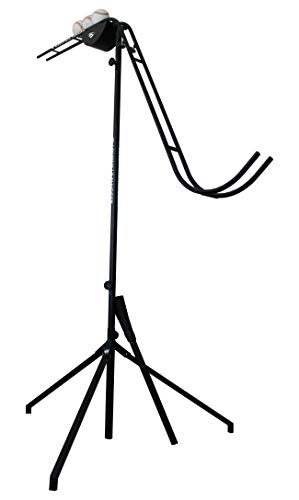
- Soft-toss feed works without a partner
- Converts to tee and fielding trainer
- Folds into carry bag for easy transport
Best For: Solo hitting practice with added tee and fielding drills
Auto-Reset Hitting Tee
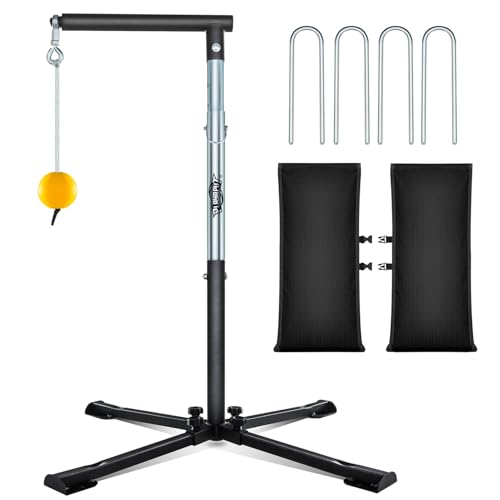
- Metal X-base for sturdy hitting reps
- Adjusts from 20 to 45 inches
- Auto-reset ball supports continuous practice
Best For: Continuous tee work for kids, youth, and adults
Reduced-Flight Training Balls
LoFli Indoor Practice Baseballs
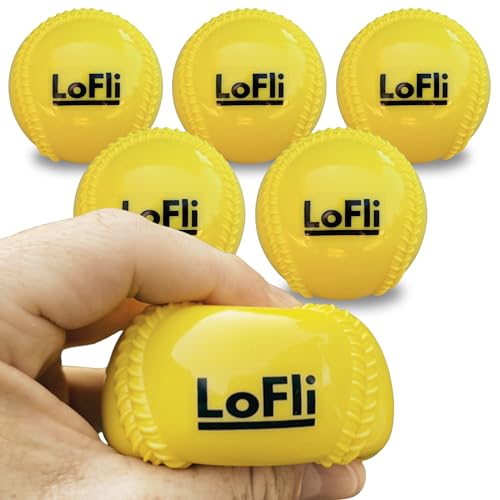
- Regulation-size, 5 oz training balls
- Reduced-flight design for small spaces
- Soft yet durable for hitting and throwing
Best For: Safer indoor and backyard reps in limited space
Complete Practice Net
7x7 ft Baseball & Softball Training Net

- Includes tee, 2 strike zones, baseball, and carry bag
- 7-ply mesh and steel/fiberglass frame for durability
- Sets up in about 2 minutes with no tools
Best For: all-in-one batting, pitching, and throwing drills
Power Swing Trainer
SKLZ Hurricane Baseball and Softball Swing Trainer

- Four power bands create different pitch speeds
- Adjustable height from 23 to 38 inches
- Anti-dent head and steel frame handle repeated hits
Best For: youth and solo hitters working on swing mechanics
Kids Starter Hitter
Franklin Sports Pop Rocket Hitting Aid

- Automatically pops a ball up every 7 seconds
- Includes 5 balls and a collapsible plastic bat
- Helps young players build hand-eye coordination
Best For: first-time youth hitters learning moving-ball timing
Compact All-in-One Practice Net
6x6FT Baseball Net with Tee & Targets
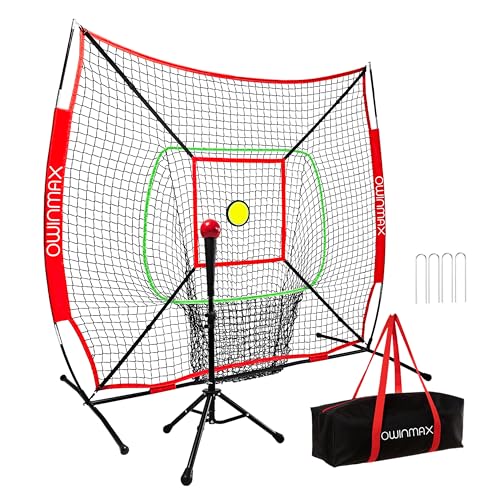
- 6x6-foot net for batting and pitching drills
- Includes strike zone, circular target, tee, and weighted ball
- Quick setup with compact storage for easy transport
Best For: Kids and beginners practicing in a small home or indoor space
Dual-Mode Swing Trainer
Soft Toss Pitching Machine with Adjustable Feed

- Automatic and manual modes for different drills
- Holds up to 10 balls for continuous practice
- Height-adjustable metal frame for all ages
Best For: Players who want portable soft-toss hitting practice with flexible feed modes
Portable Accuracy Trainer
Adjustable Baseball Strike Zone Target

- Adjustable from 45.2 to 49 inches
- Three-minute setup with no tools required
- Carry bag and stakes support portability and stability
Best For: Youth and family pitching drills centered on strike-zone accuracy
Ultimate 7×7 Training Kit – PowerNet Pitching, Batting & Fielding Net
If you’re comparing indoor baseball training systems, this PowerNet kit gives you a compact, all-in-one setup for hitting, pitching, and fielding reps. The 7×7 net, strike zone attachment, adjustable tee, weighted balls, and ball caddy make it easy to run structured practice at home or in a gym.
Best For: Players and families who want a portable, multi-drill training station for solo or team work.
Pros:
- Includes a 7×7 practice net with strike zone attachment for pitching and batting feedback.
- Comes with a height-adjustable tee, 3 weighted balls, and a ball caddy for fuller sessions.
- Tool-free assembly and ground stakes help keep setup simple and stable.
- Portable design supports practice at home, in the cage, or on the field.
Cons:
- Best suited to users who want a full kit, not just a single training tool.
- Requires enough space to use a 7×7 net effectively indoors.
- Weighted balls are for training, so they are not a replacement for standard game balls.
This is a strong pick if you want one system that covers several fundamentals at once. The mix of net, tee, target, and storage makes it especially practical for repeat indoor reps.
Solo Soft Toss System – Louisville Slugger 3-in-1 Trainer
This Louisville Slugger option stands out among indoor baseball training systems because it lets one hitter work without a partner. The soft-toss design, adjustable tee, and fielding conversion give you a versatile way to build timing, rhythm, and defensive reps in a small practice space.
Best For: Solo hitters who want a compact trainer that also handles basic fielding work.
Pros:
- Automatically soft-tosses balls so players can practice without a coach or partner.
- Converts into a batting tee and a fielding trainer for ground-ball reps.
- Battery-powered timer offers 6-, 8-, or 10-second feed intervals.
- Sets up quickly and folds into the included carry bag for easy transport.
Cons:
- Works best with regulation or limited-flight balls, not very light wiffle balls.
- More limited than a full net-based system for some hitting drills.
- Battery-powered timing means you need to manage power for frequent use.
For players who want more swings and less downtime, this is a practical all-around trainer. It is especially useful when you need a fast, repeatable setup for solo sessions.
Auto-Reset Hitting Tee – Tethered Ball Swing Trainer
If you want a straightforward piece of indoor baseball training system gear, this auto-reset batting tee is built for repetition. Its tethered ball resets after contact, so players can stay in the swing zone longer and work on power, accuracy, and timing without constant interruptions.
Best For: Hitters of all ages who want a durable, low-fuss tee for continuous swing work.
Pros:
- Strong metal construction with an X-base for added stability during hard contact.
- Height adjusts from 20 to 45 inches for kids, youth, and adults.
- Auto-reset tethered ball supports continuous reps with less setup between swings.
- Portable design assembles and disassembles in minutes and includes sandbags and ground stakes.
Cons:
- Functions as a tee trainer rather than a full multi-station system.
- Indoor use still depends on having enough safe swing space.
- Best for repetition work, so it does not replace game-like live pitching practice.
This is a strong choice if you want a durable training tool that keeps hitters moving. The auto-reset design is especially helpful for focused mechanics work and quick feedback.
Reduced-Flight Training Balls – LoFli Indoor Practice Baseballs
When you need baseballs for indoor baseball training systems, these reduced-flight training balls are a simple way to make practice safer and more space-friendly. They keep regulation weight and size, but travel about 50% less distance than a standard baseball, which helps in gyms, backyards, and other limited areas.
Best For: Coaches, families, and players who want realistic-feeling practice balls for smaller spaces.
Pros:
- Regulation-size, 5 oz balls provide a familiar feel for hitting and throwing.
- Reduced-flight design helps the ball travel less distance in tight spaces.
- Raised seams support pitching grip and a wide range of drills.
- Soft, durable construction is suited to repeated practice sessions.
Cons:
- These are training balls, so they are not meant to replace game baseballs.
- Reduced flight changes ball travel compared with standard baseballs.
- They are best as an accessory, not a full training system on their own.
These are a smart add-on if you already have a net, tee, or tossing setup and need balls that fit indoor practice. The realistic size and softer construction make them useful for players at many skill levels.
Complete Practice Net – 7×7 ft Baseball & Softball Training Net
If you want indoor baseball training systems that cover multiple fundamentals, this BAGAIL setup gives you a portable 7×7 ft net, tee, and strike zone targets in one package. It is built for batting, pitching, and throwing drills, with a collection pocket that helps keep practice moving without constant ball chasing.
Best For: Players who want a compact all-in-one training station for batting practice, accuracy work, and multi-sport drills.
Pros:
- Includes a batting tee, 2 strike zone targets, baseball, stakes, and carry bag
- 7-ply knotless polyester mesh and steel/fiberglass frame are made for repeated impact
- Quick, tool-free setup can be done in about 2 minutes
- Collection pocket supports continuous hitting and throwing practice
Cons:
- Ground stakes are included for stability, but they are mainly relevant for outdoor use
- 7×7 ft size may feel compact for players wanting a larger training area
- Best suited to drill work rather than full game simulation
This is a practical choice if you want a simple, ready-to-use training net that can handle regular use indoors or outdoors. The included accessories make it especially useful for beginners and families who want one system for several skills.
Power Swing Trainer – SKLZ Hurricane Baseball and Softball Swing Trainer
For indoor baseball training systems focused on swing mechanics, the SKLZ Hurricane gives solo hitters a fixed target with adjustable pitch speed. Its power band design helps you work on bat speed and timing, while the high-visibility ball head keeps focus on the point of contact.
Best For: Youth players and solo hitters who want a portable trainer for swing mechanics, timing, and bat-speed work.
Pros:
- Four power bands let you create different pitch speeds for progression
- Adjustable height from 23 to 38 inches supports different ball positions
- Anti-dent ball head and steel frame are built for repeated impact
- Carry bag and ground stakes add portability and setup flexibility
Cons:
- Designed for solo practice rather than live, game-like team drills
- At 34 pounds, it is less lightweight than some compact training aids
- Targeting is centered on hitting a single trainer head, not a full net system
This trainer makes sense if your priority is swing repetition over full batting-cage coverage. It is especially useful for players under 14 who need an adjustable, durable tool for at-home hitting practice.
Kids Starter Hitter – Franklin Sports Pop Rocket Hitting Aid
If you are comparing indoor baseball training systems for younger players, this Franklin Sports Pop Rocket is a simple automatic hitter designed to build hand-eye coordination. It pops a plastic baseball up every 7 seconds, giving first-time players repeated chances to track and swing without needing a pitcher.
Best For: Kids learning to hit moving pitches on their own and building confidence between teeball and live pitching.
Pros:
- Automatic pitch release every 7 seconds keeps practice moving
- Includes 5 plastic baseballs and a 24-inch collapsible plastic bat
- Designed to help young players improve hand-eye coordination
- Battery-powered operation supports simple solo use
Cons:
- Requires 4 AA batteries, which are not included
- Plastic bat and balls are geared toward youth practice rather than advanced training
- Best suited for first-time hitters instead of older or more experienced players
This is a straightforward pick for introducing kids to moving-ball contact in a low-pressure format. It is not a full training station, but it does give young hitters a repeatable way to practice timing and contact.
Compact All-in-One Practice Net – 6x6FT Baseball Net with Tee & Targets
This baseball training system is a practical choice for indoor baseball training systems when you want batting and pitching drills in one portable setup. The 6×6-foot net gives solid coverage, while the built-in strike zone target, circular target, adjustable tee, and weighted ball make it easy to work on multiple skills without extra gear.
Best For: Kids, beginners, and small-space training sessions that need a portable all-in-one net.
Pros:
- Large 6×6-foot net offers broad coverage for batting and pitching practice
- Built-in strike zone and circular target support accuracy-focused drills
- Adjustable batting tee suits different player sizes
- Quick assembly and compact storage make it easy to move and pack away
Cons:
- Designed as a portable practice system, not a permanent cage replacement
- Best suited to lighter training sessions and smaller training spaces
Overall, this is a flexible training bundle for players who want a simple way to practice hitting and pitching at home or indoors. Its mix of net, tee, and targets makes it useful for repetitive skill work without needing multiple separate products.
Dual-Mode Swing Trainer – Soft Toss Pitching Machine with Adjustable Feed
For indoor baseball training systems focused on swing repetition, this soft toss pitching machine gives you both automatic and manual feed options. The metal frame, triangle-base design, and height-adjustable setup make it a versatile choice for consistent hitting drills across different ages and skill levels.
Best For: Players who want a compact soft-toss trainer for repeated hitting practice at home or on the move.
Pros:
- Automatic mode drops up to 10 balls for longer drill sessions
- Manual mode supports beginner practice with bat-triggered single-ball feed
- Height-adjustable design works for kids, teens, and adults
- Metal structure and triangle base are built for long-term use
Cons:
- Focuses on hitting drills rather than full batting cage-style training
- Requires balls to be loaded for continued automatic use
This is a strong fit if you want a portable swing trainer that can grow with the player and switch between beginner-friendly and more intense drills. Its compact build also makes it practical for taking to different practice locations.
Portable Accuracy Trainer – Adjustable Baseball Strike Zone Target
This strike zone target is a straightforward option for indoor baseball training systems when accuracy work is the priority. It is designed for plastic ball pitching practice, adjusts from 45.2 to 49 inches, and sets up quickly with PVC tubing and fittings for solo or group drills.
Best For: Youth players, families, and coaches looking for a portable strike-zone target for accuracy drills.
Pros:
- Adjustable height from 45.2" to 49" helps match different players
- Quick 3-minute setup with no extra tools required
- Includes four ground stakes for better stability during use
- Portable carry bag makes it easy to transport to different practice spots
Cons:
- Designed for plastic balls, not a full batting or pitching net system
- Listed for outdoor-style placement with stakes, so it may be less ideal for hard indoor floors
For pitchers who want a simple target to build repeatable accuracy, this is an easy-to-use and highly portable option. It works well as a focused training aid rather than an all-in-one practice station.
How We Picked the Best Indoor Baseball Training Systems
We evaluated Indoor Baseball Training Systems based on space efficiency, setup simplicity, training versatility, durability, and safety. Priority went to products that support repeatable reps for batting, pitching, or fielding without requiring a large footprint.
Quick Comparison
Net-and-target systems are best for all-around reps, soft toss tools are ideal for timing and contact work, and automatic pitch aids can add pace without needing a partner. Training balls and strike-zone targets round out a setup by making indoor practice quieter and more controlled.
Key Buying Factors for Indoor Baseball Training Systems
Available Space
Measure ceiling height, swing clearance, and depth before buying. Larger nets offer more forgiveness, while compact trainers work better in garages, hallways, or smaller rooms.
Training Goal
Choose the system that matches your main need. Batting-focused players may prefer tees, soft toss tools, or pitch simulators, while pitchers and fielders may get more value from strike-zone targets and rebound-style practice setups.
Ball Type and Safety
For indoor use, reduced-flight balls, soft training balls, and plastic balls help lower impact risk and limit damage. If multiple players will use the setup, safer ball choices matter even more.
Stability and Durability
Look for weighted bases, reinforced frames, and durable mesh or strike-zone materials. Indoor systems still need to handle repeated contact, especially when used several times a week.
Ease of Setup
Portable systems are useful if you need to store gear between sessions. Quick assembly also makes it easier to keep practice consistent, which matters more than a complicated feature list.
Who Should Buy Which Indoor Baseball Training Systems?
Beginners and younger players usually benefit from simple nets, tees, and soft balls that build fundamentals. Intermediate hitters often need adjustable tools that support timing, pitch recognition, and more controlled repetitions. Advanced players and coaches should look for systems that combine multiple training modes, such as strike zones, soft toss, and high-rep batting stations, to make Indoor Baseball Training Systems more efficient and purposeful.
If you are building a home practice area, start with one versatile core system, then add targeted accessories based on your biggest weakness. That approach keeps costs down while still creating a complete indoor training setup.