Freestanding baseball backstops make practice cleaner, safer, and more efficient by catching missed throws, wild pitches, and off-target hits before they leave the training area.
Whether you need a portable setup for the backyard or a sturdier system for repeated batting and pitching work, the right backstop can save time and protect nearby windows, fences, and spectators.
Best 10 Freestanding Baseball Backstops Picks for 2026
Freestanding Multi-Sport Backstop
Stop that Ball™ Freestanding System

- Adjustable, extendable freestanding frame
- Heavy-duty 1.5mm steel with HDPP twine net
- Works for baseball and other backyard sports
Best For: Backyard baseball practice with multi-sport flexibility
Portable Batting Tee Stand
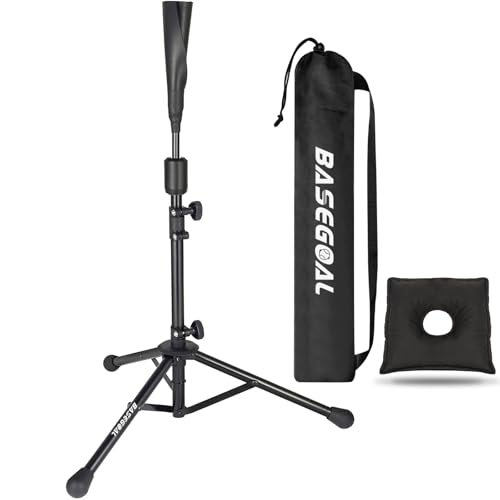
- Tripod stand with stable base
- Adjusts from 27.5 to 48 inches
- Includes carry bag for portability
Best For: Portable batting practice at home or on the move
Adjustable Freestanding Backstop
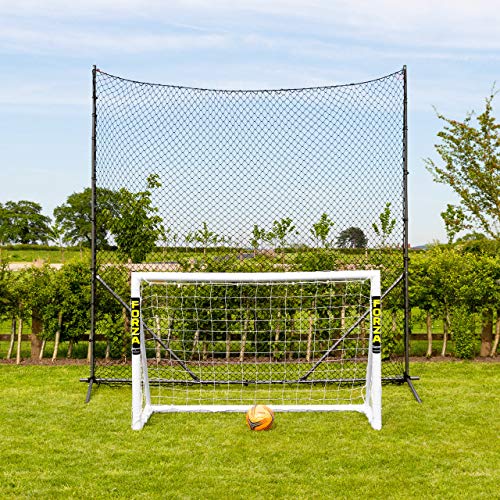
- Freestanding and extendable frame
- Powder-coated 1.5mm steel with HDPP twine net
- Compact 10ft size for smaller spaces
Best For: Compact backyard practice with a freestanding layout
Hanging Cage Backstop

- 1680D Oxford fabric with PVC coating
- Hangs from a cage frame behind the batter
- Includes 8 bungees for easier setup
Best For: Batting cage training and strike-zone practice
Portable Practice Backstop
GoSports 10 x 8 ft Backyard Practice Net

- 10 x 8 ft portable cage-style net
- Works for hitting, pitching, and foul balls
- Includes strike zone and carry case
Best For: Backyard practice and limited-space training
Cage Protection Backstop
Vanta Sports 4'x6' Rubber Backstop Liner

- Rubber and nylon impact-absorbing build
- Helps protect batting cage netting
- Hangs from a cage frame with grommets
Best For: Protecting batting cages in residential or commercial setups
Youth Hitting Tee
Storgem Adjustable Baseball Tee for Kids

- Adjustable height from 20.5 to 29.5 inches
- Steel tubes and rubber top for durability
- Includes storage bag for portability
Best For: Youth batting practice and beginner tee drills
Vinyl Backdrop
Lewtemi 4 x 6 ft Baseball Backstop

- 4 x 6 ft PVC-coated backdrop for batting and pitching practice
- Includes claw buckles and elastic ropes for quick hanging
- Durable, wear-resistant material for repeated use
Best For: players who want a lightweight practice panel for an existing net or cage
Portable Backstop
PowerNet 16 x 9 ft Collapsible Net

- Large 16 x 9 ft backstop with 148 sq ft of coverage
- Sets up in minutes with no tools and collapses for storage
- Built-in sock net helps collect balls after practice
Best For: coaches and backyard players who want a large portable practice backstop
Freestanding Multi-Sport Backstop – Stop that Ball™ Freestanding System
If you want freestanding baseball backstops that can also handle other backyard sports, this Stop that Ball™ system is built as a flexible net-and-frame solution. Its adjustable, extendable frame and heavy-duty HDPP twine net make it practical for baseball practice, while the freestanding design keeps setup more portable than a fixed installation.
Best For: Backyard players and families who need a freestanding backstop for baseball and other multi-sport practice.
Pros:
- Freestanding, adjustable, and extendable frame for flexible positioning
- Heavy-duty powder-coated 1.5mm steel construction
- Ultra-strong HDPP twine net designed for multi-sport use
- Available in multiple sizes with extender options
Cons:
- Primarily a net-and-frame system, not a hitting cage enclosure
- Best suited to backyard or practice use rather than permanent field installation
Overall, this is a versatile pick if you want one backstop that can support baseball along with other training sports. The freestanding format and size range make it easy to match to your space.
Portable Batting Tee Stand – Adjustable Tripod Hitting Tee
This batting tee is a practical training tool when you need a compact option alongside freestanding baseball backstops for hitting practice. The tripod design, adjustable height, and included carry bag make it easy to move from indoor sessions to backyard work without much setup.
Best For: Players who want a portable batting tee for baseball and softball training at home or on the go.
Pros:
- Sturdy tripod stand adds stability during hitting practice
- Height adjusts from 27.5 to 48 inches without tools
- Durable wrapped rubber tee top for baseball and softball
- Includes carry bag for portable indoor and outdoor use
Cons:
- Not a backstop or net system for catching balls
- Designed for tee work, not live pitching practice
As a hitting aid, this tee is straightforward and portable, which makes it a useful add-on for practice routines. It’s especially appealing for players who want easy height adjustment and quick storage.
Adjustable Freestanding Backstop – Stop that Ball™ 10ft System
For buyers comparing freestanding baseball backstops, this 10ft Stop that Ball™ system offers the same multi-sport backstop concept in a compact size. The freestanding frame is adjustable and extendable, and the powder-coated steel build paired with HDPP twine netting is meant for backyard practice sessions where flexibility matters.
Best For: Small-space backyard baseball practice and multi-sport training that needs a freestanding backstop.
Pros:
- Freestanding, adjustable, and extendable backstop frame
- Powder-coated 1.5mm steel construction for durability
- HDPP twine net supports baseball and other sports
- Compact 10ft size for tighter practice spaces
Cons:
- 10ft size may be limited for larger practice areas
- Does not include the semi-permanent socketed installation option
This is a strong fit if you want the freestanding format in a smaller footprint. The compact size makes it easier to place in a backyard while still offering the same broad sport compatibility.
Hanging Cage Backstop – 6×4 Vinyl Strike Zone Screen
This batting cage backstop is a different type of baseball backstop: a hanging screen built to absorb hard hits and protect your netting during cage practice. With a 6-foot by 4-foot format, 1680D Oxford fabric, and PVC coating, it’s aimed at indoor or sheltered training setups where durability and clear strike-zone targeting matter.
Best For: Batting cage and softball/baseball training where a hanging backstop is needed behind the batter.
Pros:
- Heavy-duty 1680D Oxford fabric with PVC coating
- Designed to hang behind the batter and absorb hard-hit balls
- Includes 8 bungees for easier installation and removal
- Strike-zone style target helps focused practice
Cons:
- Must be hung from a cage frame; not a freestanding unit
- Outdoor life is more limited because the notes describe it as a consumable screen
If you need a backstop for cage work rather than a standalone field barrier, this model is a practical choice. The heavy fabric and target layout are built around repetitive batting and pitching drills.
Portable Practice Backstop – GoSports 10 x 8 ft Backyard Practice Net
If you need freestanding baseball backstops for backyard drills or limited-space practice, this GoSports net is built to create a quick, portable setup without a permanent enclosure. Its 10 x 8 ft cage-style design supports standard practice, hitting down the lines, pitching reps without a catcher, and even foul-ball protection during use.
Best For: Backyard players, coaches, and families who want a portable practice backstop for baseball or softball.
Pros:
- 10 x 8 ft freestanding-style practice net that folds into a carry case
- Useful for hitting, pitching practice, and catching foul balls
- Strike zone attachment helps pitchers work on command
- Quick 10-minute setup with no tools required
Cons:
- Not a permanent backstop solution
- At 34.2 pounds, it is portable but not ultra-light
- Best suited to practice use rather than full cage enclosure needs
This is a practical choice if you want an affordable, movable training net that can stand in for a backyard backstop when space is limited. The all-weather net, heavy-duty impact layer, and steel base add helpful durability for regular baseball and softball training.
Cage Protection Backstop – Vanta Sports 4'x6' Rubber Backstop Liner
For freestanding baseball backstops, this Vanta Sports option is less of a standalone field barrier and more of a protective liner designed to hang behind the batter. It is meant to absorb impact, reduce cleanup, and help extend the life of batting cage netting in both residential and commercial training setups.
Best For: Batting cages and training facilities that need a rugged impact-absorbing backstop liner.
Pros:
- Heavy-duty rubber and nylon woven core construction
- Absorbs impact from hit balls and pitches
- Helps protect cage netting and reduce cleanup
- Grommets make it easier to hang from a cage frame
Cons:
- Not a freestanding backstop on its own
- Requires a cage frame for installation
- Smaller 4′ x 6′ size limits coverage area
If your priority is preserving batting cage netting rather than building a portable practice station, this is a solid utility piece. It is best viewed as a durable add-on for organized training spaces where impact absorption matters more than mobility.
Youth Hitting Tee – Storgem Adjustable Baseball Tee for Kids
This Storgem tee is not a freestanding baseball backstop, but it can fit into a youth practice setup when you need a simple, portable hitting station. With an adjustable height range and a stable metal base, it is made for batting practice indoors or outdoors and packs down for easy transport.
Best For: Kids, beginners, and youth players practicing tee work at home or on the go.
Pros:
- Adjustable from 20.5 to 29.5 inches for different ages and skill levels
- Thick steel tubes and rubber top are built for durability and bat protection
- Stable feet are designed for grip on various terrains
- Includes a storage bag for portable use
Cons:
- Not a backstop or ball-stopping net
- Focused on tee batting, not pitching or live-field protection
- Better for individual drills than full team practice
For families looking to add a portable hitting aid alongside other training gear, this tee offers straightforward adjustability and easy setup. It is a useful practice tool, but it does not replace a true backstop or net system for catching balls.
Vinyl Backdrop – Lewtemi 4 x 6 ft Baseball Backstop
If you need a simple freestanding baseball backstops-style target for batting or pitching practice, this Lewtemi vinyl backdrop is a compact option to consider. It’s a 4 x 6 ft PVC-coated panel made for repeated use, and it comes with claw buckles and elastic ropes so you can hang it quickly on an existing batting net or cage setup.
Best For: Players or families who want a lightweight backstop panel for batting and pitching practice on an existing net.
Pros:
- 4 x 6 ft size gives you a clear practice target for hitting and pitching.
- PVC thickened coating cloth is designed to be sturdy, wear resistant, and oxidation resistant.
- Includes 10 claw buckles and elastic ropes for faster installation.
- Lightweight design makes it easy to move or store.
Cons:
- It is a hanging backdrop, not a full freestanding frame.
- Best suited to use with a batting net or cage already in place.
This is a practical pick if you want a durable target panel to help build confidence and consistency in practice. It focuses on simplicity rather than a full standalone system.
Barrier Net – Portable Sport Net with Ground Anchors
For buyers comparing freestanding baseball backstops that focus on blocking balls rather than hitting, this portable sport net is built as a protective barrier for backyard training. It comes in multiple large sizes and includes ground nails, sandbags, and support points to improve stability during use.
Best For: Backyard setups that need a sturdy ball-stop barrier for baseball, softball, and other sports.
Pros:
- Available in 7×7, 10×16, and 10×20 ft sizes for different spaces.
- Includes 12 ground nails and 2 sandbags to help keep it stable.
- Reinforced construction uses 7-strand netting, Oxford fabric, steel pipe, and fiber poles.
- Portable carry bag makes transport and storage easier.
Cons:
- The listing says it is intended only to block balls, not for hitting practice.
- Larger versions may take more room in a backyard or garden.
Overall, this is more of a protective sports barrier than a training backstop for swings. It makes the most sense when your priority is stopping balls and protecting nearby property.
Portable Backstop – PowerNet 16 x 9 ft Collapsible Net
If you want a true freestanding baseball backstops option for drills and game situations, this PowerNet model is designed to set up quickly and collapse for transport. The 16 x 9 ft frame provides a large practice surface for hitting, pitching, and foul-ball protection, and the built-in sock net helps collect balls after use.
Best For: Coaches, teams, or backyard players who want a large portable backstop for practice or game-day use.
Pros:
- Large 16 ft x 9 ft size offers 148 sq ft of protection.
- Quick setup with no tools required.
- Collapsible design and carrying bag make it easy to store and transport.
- Built-in sock net helps hold balls for easier pickup after drills.
Cons:
- It is a larger system, so it needs a decent amount of open space.
- Best suited to users who want a full backstop, not a small target panel.
This is the strongest match if you want a portable backstop that can turn a large area into a usable baseball setup in minutes. It balances size, portability, and drill-friendly features well.
How We Picked These Freestanding Baseball Backstops
We focused on stability, portability, coverage size, ease of setup, and how well each option fits common training spaces. We also considered whether a model is better suited for batting practice, pitching drills, tee work, or multi-sport use. The best Freestanding Baseball Backstops should be easy to move when needed, but stable enough to stay put during normal training.
Quick Comparison
In simple terms, larger net systems offer broader protection and are better for repetitive hitting or pitching. Compact portable nets are easier to store and transport for backyard or travel use. Reinforced backdrops and vinyl-style barriers are typically better for cage-style protection, while lighter portable frames are best for quick daily drills.
Key Buying Factors for Freestanding Baseball Backstops
Size and Coverage
Match the backstop to your drill type and available space. A smaller setup may be fine for tee work or targeted pitching practice, but batting practice usually benefits from a wider and taller net to catch off-line contact.
Stability and Anchoring
Look for weighted bases, ground stakes, sandbags, or frame designs that resist tipping in wind or after repeated impact. If you plan to use the system on grass, turf, or a driveway, make sure the included anchoring method suits the surface.
Portability and Storage
If you will move the net often, prioritize collapsible frames, lighter materials, and included carry bags. Permanent or semi-permanent setups make more sense when you train in the same area every time.
Material Strength
Heavy-duty netting, reinforced edges, and durable backstop fabric matter if the system will face frequent baseball or softball contact. For higher-volume training, stronger materials usually last longer and hold shape better.
Who Should Buy Which Freestanding Baseball Backstops?
Choose a compact portable backstop if you want something easy to set up for backyard practice or seasonal use. Pick a larger freestanding net system if you need broader protection for batting and pitching drills. If your priority is batting cage support or impact resistance, reinforced backdrops and vinyl-style options are worth a closer look. For families or beginners, lighter portable systems often deliver the best balance of convenience and value.