The best fitness tracker with recovery score does more than count steps. It combines sleep, heart-rate, activity, and workout data to help you decide when to train hard and when to prioritize rest.
These 10 picks range from advanced coaching platforms and GPS smartwatches to simple screenless bands and budget-friendly health trackers. Use the guide below to match recovery features, battery life, comfort, and ongoing costs to your routine.
Best 10 Fitness Tracker with Recovery Score Picks for 2026
Best Screen-Free Recovery Coach
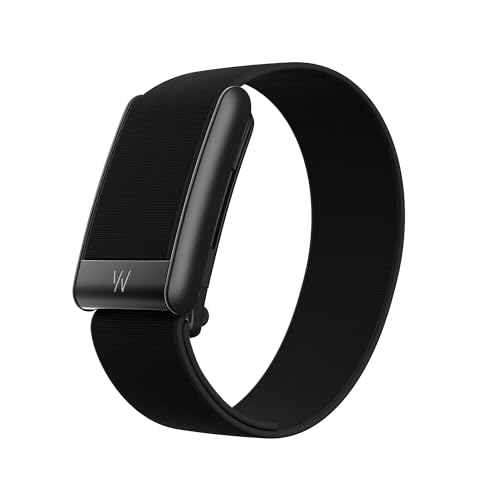
- Recovery, sleep, strain, and HRV insights
- Screenless design with 14+ day battery
- Includes 12-month membership and CoreKnit band
Best For: Athletes wanting detailed recovery coaching without smartwatch distractions
Best Everyday Value

- Daily Readiness and Sleep Scores
- Tracks activity, stress, heart rate, and SpO2
- Up to 10 days of battery life
Best For: Everyday wellness users seeking simple readiness and sleep tracking
Best Advanced Healthspan Insights

- Recovery coaching plus WHOOP Age insights
- Includes waterproof Wireless PowerPack
- Up to 14+ days of battery life
Best For: Users combining training recovery with long-term healthspan tracking
Best GPS Smartwatch Alternative

- Body Battery, sleep score, HRV, and recovery time
- Built-in GPS with 30+ sports apps
- AMOLED display and up to 11 days of battery
Best For: Multisport users wanting recovery insights plus smartwatch features
Best Screen-Free Recovery Tracker

- Screenless design with recovery and fatigue tracking
- HybridCharge score adapts to activity and stress
- Up to 10 days of battery life
Best For: Screen-free recovery tracking and strength training
Best GPS Recovery Smartwatch

- Body Battery combines sleep, stress, naps, and workouts
- Sleep score, coaching, HRV status, and recovery time
- Built-in GPS with 30-plus sports apps
Best For: GPS training and broad recovery insights
Best Everyday Readiness Tracker

- Daily Readiness, Sleep Score, and stress tracking
- Built-in GPS with 40-plus exercise modes
- Google Maps, Wallet, and YouTube Music controls
Best For: Everyday fitness, sleep, and readiness tracking
Feature-Packed Pick
115-Sport Health Fitness Tracker
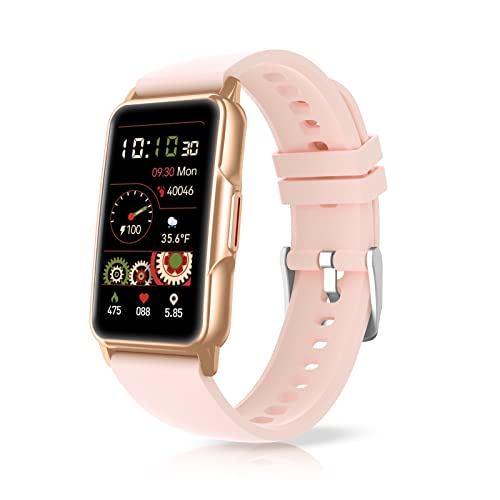
- 24/7 health and sleep-stage monitoring
- 115+ sports modes with activity tracking
- Up to 10–12 days of typical use
Best For: Broad workout and wellness tracking
Best Screen-Free Recovery Coach – WHOOP 5.0 with CoreKnit Band
For shoppers seeking a fitness tracker with recovery score guidance, the WHOOP 5.0 combines continuous health monitoring with personalized coaching and a 12-month membership. Its screenless design, long battery life, and detailed recovery insights make it particularly focused on training and rest decisions.
Best For: Athletes and performance-focused users who want screen-free recovery, sleep, strain, and habit coaching.
Pros:
- Provides personalized Sleep, Strain, Recovery, HRV, and VO2 max insights.
- Tracks heart rate continuously and includes a Real-time Stress Monitor.
- Offers up to 14+ days of battery life and a distraction-free screenless design.
- Includes a 12-month membership, CoreKnit band, and basic charger.
Cons:
- Requires the included membership for its personalized insights and coaching.
- Has no display or on-device notifications.
- The included package does not list the waterproof Wireless PowerPack.
The WHOOP 5.0 is a strong choice when recovery guidance matters more than smartwatch features. Its membership-based experience is best suited to users who will consistently review the app and act on its recommendations.
Best Everyday Value – Fitbit Inspire 3
The Fitbit Inspire 3 is a practical fitness tracker with recovery score features for everyday activity, sleep, and wellness tracking. Its Daily Readiness Score is paired with stress, sleep, heart-rate, and exercise tools in a compact, water-resistant design.
Best For: Everyday users who want accessible readiness, sleep, activity, and stress tracking.
Pros:
- Includes a Daily Readiness Score, detailed Sleep Score, and Stress Management Score.
- Tracks all-day activity, 24/7 heart rate, sleep, SpO2, and menstrual health.
- Supports more than 40 exercise modes and automatic exercise tracking.
- Provides up to 10 days of battery life and water resistance to 50 meters.
Cons:
- GPS works via a connected smartphone rather than built-in GPS.
- Some Fitbit features may be less focused on advanced training than specialized performance trackers.
- Compatibility requires Apple iOS 16.4 or higher or Android 11.0 or higher.
Inspire 3 offers a well-rounded entry point for buyers who want readiness and recovery-related metrics without a larger smartwatch. It is especially appealing for daily wellness tracking and straightforward exercise motivation.
Best Advanced Healthspan Insights – WHOOP 5.0 with SuperKnit Band
This WHOOP 5.0 package is a fitness tracker with recovery score tools plus expanded healthspan information. It includes a 12-month Peak membership, SuperKnit band, and waterproof Wireless PowerPack for users who want continuous monitoring and deeper context around habits, training, and long-term health.
Best For: Performance-minded users who want recovery coaching alongside healthspan and pace-of-aging insights.
Pros:
- Delivers personalized Recovery, Sleep, Strain, HRV, VO2 max, and stress insights.
- Includes Healthspan features such as WHOOP Age and Pace of Aging.
- Offers up to 14+ days of battery life with a waterproof Wireless PowerPack.
- Includes a 12-month Peak membership and SuperKnit band.
Cons:
- Requires an ongoing membership-based app experience.
- Its screenless design does not provide on-device display features.
- The extensive coaching data may be more than casual users need.
This package stands out for combining day-to-day recovery guidance with longer-term healthspan tracking. Choose it over the standard bundle if the included charging accessory and pace-of-aging insights are priorities.
Best GPS Smartwatch Alternative – Garmin vívoactive 5
The Garmin vívoactive 5 is a fitness tracker with recovery score-style guidance built into a full GPS smartwatch. Its Body Battery monitoring, sleep score, HRV status, recovery time, sports apps, and bright AMOLED display make it useful for people who want recovery context plus broader training and smartwatch functionality.
Best For: Multisport users who want built-in GPS, on-watch workouts, music, and recovery-time guidance.
Pros:
- Uses Body Battery, sleep, stress, naps, and workouts to provide personalized energy insights.
- Includes sleep score, sleep coaching, HRV status, and recovery time features.
- Offers more than 30 indoor and GPS sports apps with built-in GPS.
- Provides an AMOLED touchscreen and up to 11 days of battery life in smartwatch mode.
Cons:
- Its recovery guidance is presented through Garmin features such as Body Battery and recovery time rather than a specifically named recovery score.
- It is larger and more feature-heavy than a simple screenless tracker.
- Some listed health metrics are intended as close estimations rather than medical measurements.
The vívoactive 5 is the most versatile option here for users who want recovery information without giving up GPS, sports profiles, music, and an on-watch interface. It is a better fit for multisport training than for buyers seeking a minimalist recovery-only wearable.
Best Screen-Free Recovery Tracker – Amazfit Helio Strap
If you want a fitness tracker with recovery score insights without adding another screen to your wrist, the Amazfit Helio Strap focuses on training, sleep, stress, and recovery data. Its HybridCharge score adapts to workouts, activity, and stress, while the Zepp App provides post-workout analysis and AI-driven guidance.
Best For: Screen-free users who prioritize recovery tracking, strength workouts, and long battery life.
Pros:
- Tracks fatigue, recovery, heart rate, sleep, stress, and blood oxygen.
- HybridCharge energy monitoring adapts to workouts, activity, stress, and rest.
- Supports rep, set, and rest-period tracking, plus a dedicated HYROX mode.
- Offers up to 10 days of battery life and 50-meter water resistance.
Cons:
- Has no built-in GPS, so it relies on a connected phone for location data.
- The screenless design means workout information is viewed in the Zepp App.
The Helio Strap is a focused choice for recovery-minded training, especially if you already use Amazfit devices or prefer a discreet band. Its strongest advantage is the combination of recovery, sleep, and training insights in a screen-free format.
Best GPS Recovery Smartwatch – Garmin vívoactive 5
The Garmin vívoactive 5 is a fitness tracker with recovery score features for shoppers who want a full smartwatch experience. Body Battery energy monitoring combines sleep, naps, stress, and workouts, while sleep scores, recovery time, GPS, and built-in sports apps support daily training decisions.
Best For: Runners and active users who want recovery insights, GPS sports tracking, and smartwatch features in one device.
Pros:
- Body Battery provides personalized energy insights based on sleep, naps, stress, and workouts.
- Includes sleep scoring, sleep coaching, HRV status, and recovery-time guidance.
- Offers built-in GPS and more than 30 indoor and GPS sports apps.
- Provides up to 11 days of battery life in smartwatch mode.
Cons:
- The larger smartwatch format may be more than needed for users seeking a simple tracker.
- Always-on display use reduces stated battery life to about five days.
Choose the vívoactive 5 if you want recovery and sleep data alongside GPS workouts, music, notifications, and a colorful AMOLED display. It is the most versatile option here for users building a broader training routine.
Best Everyday Readiness Tracker – Fitbit Charge 6
The Fitbit Charge 6 is a fitness tracker with recovery score functionality aimed at everyday activity, exercise, sleep, and stress awareness. Daily Readiness, Sleep Score, and stress management features complement built-in GPS, 40-plus exercise modes, and continuous heart-rate tracking.
Best For: Everyday users who want readiness, sleep, stress, and exercise tracking in a compact band.
Pros:
- Tracks Daily Readiness, sleep, stress management, calories, and Active Zone Minutes.
- Includes built-in GPS, 40-plus exercise modes, and all-day heart-rate tracking.
- Offers Sleep Score, Smart Wake, and automatic exercise tracking.
- Adds Google Maps directions, Google Wallet, and YouTube Music controls.
Cons:
- Some personalized coaching features require a separate Google Health Premium subscription.
- Its stated battery life is up to seven days, shorter than the Amazfit and Garmin options.
The Charge 6 suits buyers who want recovery-adjacent readiness and sleep feedback without moving to a larger smartwatch. Its Google integrations and built-in GPS make it particularly practical for daily wear, walks, runs, and general fitness.
Feature-Packed Pick – 115-Sport Health Fitness Tracker
If you want a fitness tracker with recovery score potential through sleep and wellness data, this model offers a broad set of health and activity features. It tracks heart rate, blood oxygen, blood pressure, sleep stages, steps, distance, and calories, while its 115 sports modes suit varied workouts.
Best For: Users who want extensive activity tracking, sleep-stage details, and smartwatch conveniences in one device.
Pros:
- Tracks 24/7 heart rate, blood oxygen, blood pressure, and sleep stages including REM, light, and deep sleep.
- Offers more than 115 sports modes plus all-day steps, distance, and calorie tracking.
- Provides call and message notifications, reminders, weather, music controls, and phone-connected GPS route mapping.
- Supports 6–7 days of heavy use or 10–12 days of typical use, with IP68 water resistance.
Cons:
- The product notes do not identify a dedicated recovery score feature.
- GPS requires connection to a smartphone rather than built-in GPS.
- Health readings are best treated as wellness information, not medical advice.
This is a strong value-oriented option for broad health and workout coverage. Choose it if the large sports-mode selection and long battery life matter more than a specifically named recovery-score system.
Everyday AMOLED Choice – Connected GPS Fitness Tracker
This fitness tracker with recovery score functionality in mind focuses on everyday body and activity trends, including continuous heart rate, heart-rate variability, breathing rate, sleep duration, and sleep stages. Its AMOLED display and connected GPS make it a practical companion for routine workouts.
Best For: Casual exercisers who want readable notifications, sleep tracking, and core activity metrics without a bulky watch.
Pros:
- Uses 24/7 heart-rate tracking alongside heart-rate variability, breathing rate, and calorie estimates.
- Records falling-asleep and awake times plus light and deep sleep for review in the app.
- Includes 25 sports modes and smartphone-connected GPS for workout route recording.
- Offers an AMOLED touchscreen, notifications, reminders, IP68 water resistance, and up to seven days of battery life.
Cons:
- The supplied details do not confirm a dedicated recovery score.
- GPS functionality depends on a connected smartphone.
- Sleep data is for reference only and does not replace medical advice.
Its combination of continuous wellness metrics, a compact AMOLED screen, and essential smart features makes this a sensible daily tracker. It is better suited to general training awareness than advanced recovery analysis.
Recovery-Focused Alternative – Zeacool Sleep Score Tracker
Among these options, the Zeacool is the closest match for shoppers seeking a fitness tracker with recovery score insight because it provides a nightly sleep score. It combines sleep-stage analysis with 24/7 heart rate, blood oxygen, and temperature monitoring to help you review overnight wellness trends.
Best For: Users who prioritize sleep feedback and a nightly score alongside high-volume sports tracking.
Pros:
- Provides a nightly sleep score based on deep sleep, light sleep, and awake stages.
- Monitors 24/7 heart rate, blood oxygen, sleep, and temperature trends.
- Includes 123 sports modes and records steps, distance, and calories in the Da Fit app.
- Offers IP68 water resistance, a 1.47-inch AMOLED display, and 10–14 days of regular battery use.
Cons:
- The sleep score is not described as a comprehensive training-recovery score.
- The supplied notes do not specify built-in GPS.
- Health metrics should be used as general wellness guidance rather than diagnosis.
The explicit nightly sleep score gives this model the clearest recovery-adjacent feature in the group. It is a good fit if sleep quality is your main recovery signal and you also want extensive sports-mode coverage.
How We Picked the Best Fitness Tracker with Recovery Score
We compared these trackers by looking at the quality and usefulness of their recovery-related insights, including sleep tracking, resting heart rate, heart-rate variability where available, training load, readiness guidance, and workout trends. We also considered battery life, sensor coverage, GPS functionality, phone compatibility, display design, water resistance, comfort, and app experience.
Because recovery features vary widely, we separated direct readiness scores from trackers that provide the underlying data you can use to judge fatigue. Subscription requirements were also considered, since a low upfront price can become more expensive over time.
Quick Comparison
| Best For | Look For | Potential Trade-Off |
|---|---|---|
| Advanced recovery coaching | WHOOP-style readiness, sleep, and strain analysis | Membership cost and no traditional display |
| Everyday wellness | Simple sleep, activity, and heart-rate tracking | Fewer advanced training tools |
| GPS training | Built-in GPS, workout profiles, and health metrics | Larger watch-style design |
| Screenless recovery tracking | Lightweight band and long battery life | Less information available at a glance |
| Budget monitoring | Basic heart rate, sleep, steps, and sports modes | Variable app quality and sensor accuracy |
Key Buying Factors for a Fitness Tracker with Recovery Score
Recovery Methodology
Check whether the device provides a formal recovery or readiness score or simply reports sleep and heart-rate metrics. A score is convenient, but the supporting details matter more: sleep duration, sleep consistency, resting heart rate, HRV trends, and recent exertion can help explain the recommendation.
Subscription Requirements
Some of the strongest coaching ecosystems require a paid membership. Confirm which features remain available without a subscription, how long included access lasts, and the expected renewal price before buying.
Sensor and Workout Coverage
Look for continuous heart-rate tracking, sleep staging, blood oxygen features where supported, and useful exercise profiles. Runners and cyclists should prioritize reliable GPS, while gym users may value automatic activity recognition and training-load analysis.
Battery, Comfort, and Durability
A tracker is only useful when you wear it consistently. Compare battery life, charging time, band comfort, water resistance, and whether the design works during sleep. Screenless bands can be discreet and lightweight; smartwatches offer more convenience but may need more frequent charging.
Phone and App Compatibility
Verify iOS or Android support and review how clearly the companion app presents trends. Strong data collection is less helpful if the app makes recovery patterns difficult to understand.
Who Should Buy Which Fitness Tracker with Recovery Score?
- Choose an advanced coaching tracker if your priority is daily readiness, sleep optimization, and training guidance and you are comfortable paying for a membership.
- Choose a Garmin or similar GPS smartwatch if you want recovery context alongside on-device workouts, route tracking, notifications, and broader sports features.
- Choose a Fitbit-style band for approachable everyday activity, sleep, and heart-rate tracking in a compact form.
- Choose a screenless tracker if comfort, discretion, and fewer distractions matter more than viewing metrics during a workout.
- Choose a budget fitness tracker if you mainly need steps, heart rate, sleep estimates, and basic sports tracking at a lower initial cost. Treat blood pressure and blood oxygen readings as wellness estimates rather than medical measurements.
For the best match, prioritize the metrics you will actually use, then compare the total cost, comfort, and app experience—not just the number of advertised features.