The right sleeping pad can make the difference between waking up refreshed and spending the night feeling every root and rock. The best sleeping pads for backpacking balance comfort, warmth, packed size, weight, and dependable performance.
This roundup compares 10 options, including proven closed-cell foam designs and feature-rich inflatable pads, so you can choose a sleep system that fits your trips, conditions, and budget.
Best 10 Sleeping Pads for Backpacking Picks for 2026
Classic Foam Value

- 14-ounce closed-cell foam construction
- Accordion-fold design for easy packing
- R-Value 1.7 with durable, water-resistant foam
Best For: Budget-conscious backpackers wanting a dependable, no-inflation pad
Enhanced Foam Comfort
NEMO Switchback Foam Sleeping Pad
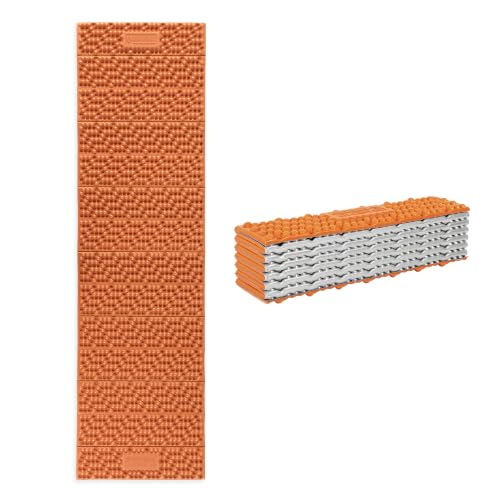
- Dual-density foam supports comfort and stability
- Reflective film helps return body heat
- R-Value 2 with a lifetime warranty
Best For: Hikers wanting a cushioned, durable folding foam pad
Waterproof Budget Pick

- Waterproof IXPE foam with aluminum film
- R-Value 2.1 for added ground insulation
- 23.6-inch width and foldable 455-gram design
Best For: Budget-minded hikers needing a moisture-resistant foam mat
Cold-Weather Inflatable
Elevate X Inflatable Sleeping Pad

- ASTM R-Value 7.5 for four-season insulation
- 3.15-inch plush inflatable construction
- Packs compactly and includes an inflation bag
Best For: Winter backpacking, snow camping, and high-altitude trips
Best Cold-Weather Value
Hikenture R6.2 Insulated Sleeping Pad

- ASTM-tested 6.2 R-value
- 3.2-inch supportive thickness
- 1.53-pound weight with pump sack
Best For: Backpackers seeking lightweight insulation for colder conditions
Best All-Season Insulation

- 7.2 R-value for year-round use
- Four-inch supportive sleeping surface
- 330-pound capacity and compact packed size
Best For: Backpackers prioritizing warmth and cushioning over the lightest weight
Best Built-In Convenience
FUN PAC Inflatable Sleeping Pad

- Built-in pump inflates in 30–60 seconds
- Integrated pillow and 27-inch width
- Connects with another pad for a double bed
Best For: Campers wanting fast setup, extra width, and an included pillow
Cold-Weather Insulation Pick
Elegear CumbreX 4-Inch Sleeping Pad

- Certified R-Value of 9 for strong ground insulation
- 4-inch thickness cushions uneven or rocky terrain
- 2.2-pound design includes a pump sack
Best For: Four-season backpacking and cold-weather camping
Fast Setup Value Pick
WANNTS Ultralight Sleeping Pad

- Built-in foot pump inflates the pad in about 20 seconds
- 30-ounce waterproof pad measures about 75 by 25 inches
- Side buttons connect two pads into a double bed
Best For: Convenience-focused backpackers and casual outdoor trips
Ultralight Warm-Weather Pick
Gear Doctors Ether Sleeping Pad

- Weighs just 17.5 ounces and packs very small
- ErgoCushion design supports side and back sleepers
- 2-R-Value insulation suits spring and summer trips
Best For: Ultralight backpacking in warmer seasons
Classic Foam Value – Therm-a-Rest Z Lite Original
For hikers seeking dependable sleeping pads for backpacking, the Therm-a-Rest Z Lite Original is a straightforward closed-cell foam option. Its accordion fold, 14-ounce weight, and durable construction make it easy to carry and use on the ground.
Best For: Backpackers and mountaineers who want an economical, low-maintenance foam pad for three-season use.
Pros:
- Lightweight at 14 ounces and easy to pack
- Durable closed-cell foam construction
- Dimples help trap warmth; rated R-Value 1.7
- Made in the USA with a limited lifetime warranty
Cons:
- Its 0.75-inch thickness provides less cushioning than an inflatable pad
- R-Value 1.7 is better suited to milder conditions than deep winter
- Folded dimensions are bulkier than many inflatable designs
The Z Lite Original is a practical choice when durability, simplicity, and low weight matter more than plush cushioning or compact packed volume.
Enhanced Foam Comfort – NEMO Switchback Foam Sleeping Pad
The NEMO Switchback brings a more comfort-focused design to sleeping pads for backpacking. Its dual-density foam, taller nodes, and reflective film aim to improve cushioning and warmth while retaining the simplicity of a folding pad.
Best For: Backpackers and mountaineers who prefer a durable foam pad with more cushioning and insulation features.
Pros:
- Hexagonal nesting pattern creates taller, more supportive nodes
- Dual-density foam combines comfort with resilience
- Metallized film reflects heat back toward the body
- Backed by NEMO’s lifetime warranty against defects
Cons:
- Closed-cell foam remains bulkier when packed than an inflatable pad
- R-Value 2 is not intended as a dedicated deep-winter rating
- The supplied details list it as not water resistant
Choose the Switchback if you want the convenience and reliability of foam but value extra structure, nesting efficiency, and reflective insulation.
Waterproof Budget Pick – Foldable IXPE Camping Pad
This foldable IXPE mat is a practical entry-level option among sleeping pads for backpacking. It combines closed-cell foam with an aluminum-film backing, a waterproof surface, and a broad 23.6-inch width for basic outdoor sleeping comfort.
Best For: Ultralight hikers, thru-hikers, and campers seeking an inexpensive, waterproof foam mat for general outdoor use.
Pros:
- Waterproof and moisture-resistant construction
- Aluminum film and IXPE foam provide an insulation rating of 2.1
- Folds into a compact 23.6-by-5.5-by-5.5-inch bundle
- Wider 23.6-inch open width than the supplied Therm-a-Rest and NEMO pads
Cons:
- At 455 grams, it is heavier than the 14-ounce Z Lite
- Its 0.7-inch thickness offers limited cushioning
- The supplied listing identifies the variety inconsistently as a self-inflating pad despite the foldable foam design
With its waterproof build and moderate R-value, this pad makes sense for travelers who prioritize basic protection from damp ground and a wider sleeping surface over premium materials.
Cold-Weather Inflatable – Elevate X Inflatable Sleeping Pad
For winter-focused sleeping pads for backpacking, the Elevate X stands out with an ASTM R-Value of 7.5 and a 3.15-inch inflatable profile. It packs into a compact cylinder and includes an inflation outer bag for easier setup on cold-weather trips.
Best For: Winter backpackers, snow campers, and high-altitude travelers who need substantial insulation and inflatable cushioning.
Pros:
- ASTM R-Value 7.5 targets extreme cold and winter use
- 3.15-inch thickness provides a plush sleeping surface
- Weighs about 1.4 pounds and packs to 3.94 by 10.04 inches
- 20D/40D nylon with TPU coating is water resistant and durable
Cons:
- Heavier than the supplied closed-cell foam pads
- Inflatable construction requires setup and carries more potential complexity than foam
- The listed size is Twin, which may not suit every shelter or packing preference
The Elevate X is the most winter-oriented choice in this group, trading some weight and simplicity for high insulation, thick cushioning, and compact packed size.
Best Cold-Weather Value – Hikenture R6.2 Insulated Sleeping Pad
For backpackers comparing sleeping pads for backpacking, the Hikenture R6.2 stands out for its tested insulation, comfortable 3.2-inch thickness, and low 1.53-pound weight. Its pump-sack storage bag also makes setup easier on the trail.
Best For: Backpackers who want a lightweight pad with strong three-season or cold-weather insulation.
Pros:
- ASTM-tested R-value of 6.2 with aluminum-film insulation
- 3.2-inch air-cell design helps prevent bottoming out
- Weighs about 1.53 pounds and packs with a 40L pump sack
- Includes repair patches and a 12-month warranty
Cons:
- Its 3.2-inch thickness is less than some extra-thick alternatives
- Storage-bag pump use requires following the inflation instructions
The Hikenture combines impressive insulation and trail-friendly weight in a practical package. It is a particularly appealing choice when warmth matters more than having the widest or thickest possible sleeping surface.
Best All-Season Insulation – Trekology UL R7 Sleeping Pad
The Trekology UL R7 is a strong contender among sleeping pads for backpacking when insulation and support are priorities. It combines a 7.2 R-value with a four-inch surface, a 330-pound capacity, and a pack size comparable to a water bottle.
Best For: Hikers and backpackers who want a supportive, all-season pad and do not mind carrying about two pounds.
Pros:
- SGS-certified 7.2 R-value for year-round ground insulation
- Four-inch thickness and 24-inch width provide substantial support
- Supports up to 330 pounds and uses 40D ripstop nylon with TPU coating
- Compact packed size and patented anti-leak valve
Cons:
- At two pounds, it is heavier than the Hikenture option
- Pump bag is not included; inflation is by mouth or a separate pump bag
- Its recommended length suits sleepers up to about 5 feet 11 inches
The UL R7 favors warmth and cushioning over minimum trail weight. Its four-inch thickness and high weight capacity make it useful for side and back sleepers who want extra support during extended trips.
Best Built-In Convenience – FUN PAC Inflatable Sleeping Pad
For shoppers seeking sleeping pads for backpacking with quick setup, the FUN PAC pad includes a built-in foot pump, integrated pillow, and wide sleeping surface. It inflates in roughly 30 to 60 seconds and weighs about 1.5 pounds.
Best For: Campers who value fast inflation, an integrated pillow, and a roomy pad for solo or paired use.
Pros:
- Built-in pump avoids mouth inflation or carrying a separate pump
- Includes an integrated pillow and a wide 27-inch sleeping surface
- Ultralight 1.5-pound design with a compact, water-bottle-sized profile
- Side buttons allow two pads to connect into a larger sleeping surface
Cons:
- The supplied details do not provide an R-value, so cold-weather insulation is harder to assess
- Built-in pump operation may require more time than a dedicated pump sack in some conditions
The FUN PAC is designed around convenience rather than insulation specifications. Its built-in pump, pillow, wide layout, and connection buttons make it a versatile option for campers who want a simple, comfortable setup.
Cold-Weather Insulation Pick – Elegear CumbreX 4-Inch Sleeping Pad
For backpackers who prioritize insulation and cushioning, the Elegear CumbreX is one of the more warmth-focused sleeping pads for backpacking. Its certified R-Value of 9, 4-inch thickness, and included pump sack make it suited to cold-weather trips where ground chill and uneven terrain are concerns.
Best For: Four-season backpacking, cold-weather camping, and hikers who want extra cushioning without carrying a very heavy pad.
Pros:
- 9-layer insulation system with an SGS-tested, ASTM F3340-22-certified R-Value of 9
- 4-inch inflatable design helps cushion hips, back, and legs on uneven ground
- Weighs 2.2 pounds and includes a pump sack for inflation in 4–6 pumps
- Waterproof 20D tear-resistant nylon with a reinforced TPU layer
Cons:
- At 2.2 pounds, it is heavier than ultralight warm-weather alternatives
- The mummy shape may offer less usable width than a rectangular pad
The CumbreX stands out when warmth and comfort matter more than minimizing every ounce. Its high insulation rating makes it a particularly practical choice for cold conditions, while the compact packing design and pump sack keep setup manageable on longer trips.
Fast Setup Value Pick – WANNTS Ultralight Sleeping Pad
The WANNTS SLP01 is a practical option for shoppers seeking lightweight sleeping pads for backpacking with quick, self-contained inflation. Its built-in foot pump, 3.5-inch listed thickness, waterproof construction, and side buttons make it versatile for solo trips or paired use.
Best For: Budget-minded backpackers, hikers who want hands-free inflation, and campers who may want to connect two pads into a double bed.
Pros:
- Built-in foot pump can inflate the pad in about 20 seconds
- Weighs 30 ounces while inflating to approximately 75 by 25 inches
- Waterproof nylon construction and included repair patches support outdoor use
- Side buttons allow two pads to be attached together
Cons:
- The supplied notes do not specify an R-Value, so cold-weather insulation is harder to assess
- Its rectangular design may take more pack space than a mummy-shaped pad
WANNTS focuses on convenience: the built-in foot pump avoids blowing up the pad by mouth or carrying a separate pump, and the 30-ounce weight remains reasonable for many backpacking trips. It is a good fit for three-season-style outings when quick setup and broad sleeping space are priorities.
Ultralight Warm-Weather Pick – Gear Doctors Ether Sleeping Pad
At 17.5 ounces, the Gear Doctors Ether is designed for hikers comparing ultralight sleeping pads for backpacking. It packs to about 8.6 by 3.1 inches, uses an included detachable pump sack, and combines contoured support with a 2-R-Value rating for spring and summer use.
Best For: Ultralight backpackers, side and back sleepers, and warm-season trips where low packed weight is the main priority.
Pros:
- Very low 17.5-ounce weight and compact 8.6-by-3.1-inch packed size
- ErgoCushion contours provide varying thickness and help reduce slipping
- Detachable foot pump and anti-leak valve system enable lung-free inflation
- 20D nylon with water-resistant TPU coating includes a repair kit and lifetime replacement support
Cons:
- 2-R-Value insulation is intended for spring and summer rather than cold-weather use
- Contoured thickness tapers to 2.36 inches in the center
The Ether is the clear weight-saving choice in this group. Its low packed weight and compact pump system are valuable on long mileage days, while the shaped surface adds support for side and back sleepers; just reserve it for conditions compatible with its two-season insulation.
How We Picked the Best Sleeping Pads for Backpacking
We focused on the factors that matter most on the trail: weight, packed size, insulation, sleeping surface, durability, inflation method, and overall versatility. The selection includes simple foam pads that are easy to use and nearly impossible to puncture, along with inflatable models designed to provide more cushioning and compact packing.
Because no single pad suits every backpacker, we considered different use cases rather than ranking products by one specification alone. Listed R-values and dimensions are useful comparisons, but real-world comfort also depends on sleeping position, body size, campsite conditions, and the rest of your sleep system.
Quick Comparison
- Best for dependable simplicity: Closed-cell foam pads such as the Therm-a-Rest Z Lite Original and NEMO Switchback are lightweight, fast to deploy, and puncture-resistant.
- Best for compact comfort: Inflatable pads generally provide greater thickness and a smaller packed size than foam models.
- Best for cold conditions: Look for a higher R-value, especially when camping on frozen or snow-covered ground.
- Best for budget-conscious trips: Basic foam and compact inflatable designs can provide useful performance without premium pricing.
Key Buying Factors for Sleeping Pads for Backpacking
Weight and Packed Size
Every ounce matters on long hikes. Foam pads are often light and reliable but can be bulky outside a pack. Inflatable models pack smaller, although you should account for the pump, repair kit, and inflation bag if included.
Warmth and R-Value
R-value measures resistance to heat loss through the ground. Higher numbers generally provide better insulation. For mild summer trips, a moderate rating may be sufficient; shoulder-season and winter backpacking call for more insulation. If you camp year-round, prioritize a versatile, higher-R-value model.
Comfort, Shape, and Thickness
Side sleepers often prefer thicker inflatable pads, while back sleepers may be comfortable on thinner designs. Check the pad’s width and length as carefully as its thickness. Tapered pads save space, but rectangular versions offer more room to move.
Durability and Repairability
Closed-cell foam is highly resistant to punctures. Inflatable pads need more care around sharp rocks, thorns, and rough shelter floors. A reliable valve, included repair materials, and careful site preparation can make an inflatable pad much easier to live with.
Who Should Buy Which Sleeping Pads for Backpacking?
Choose a closed-cell foam pad if you value simplicity, low weight, fast setup, or reliable performance in rugged conditions. It is also a practical choice for adding a protective or insulating layer beneath an inflatable pad.
Choose an insulated inflatable pad if comfort and packability are your priorities, particularly for side sleeping or longer trips. Compare R-value, thickness, dimensions, and inflation time before focusing on extra features such as built-in pumps or pillows.
Choose a high-insulation model for cold-weather camping, but confirm that its weight and packed size fit your backpacking setup. For occasional summer trips, a lighter and simpler pad may be the better value.